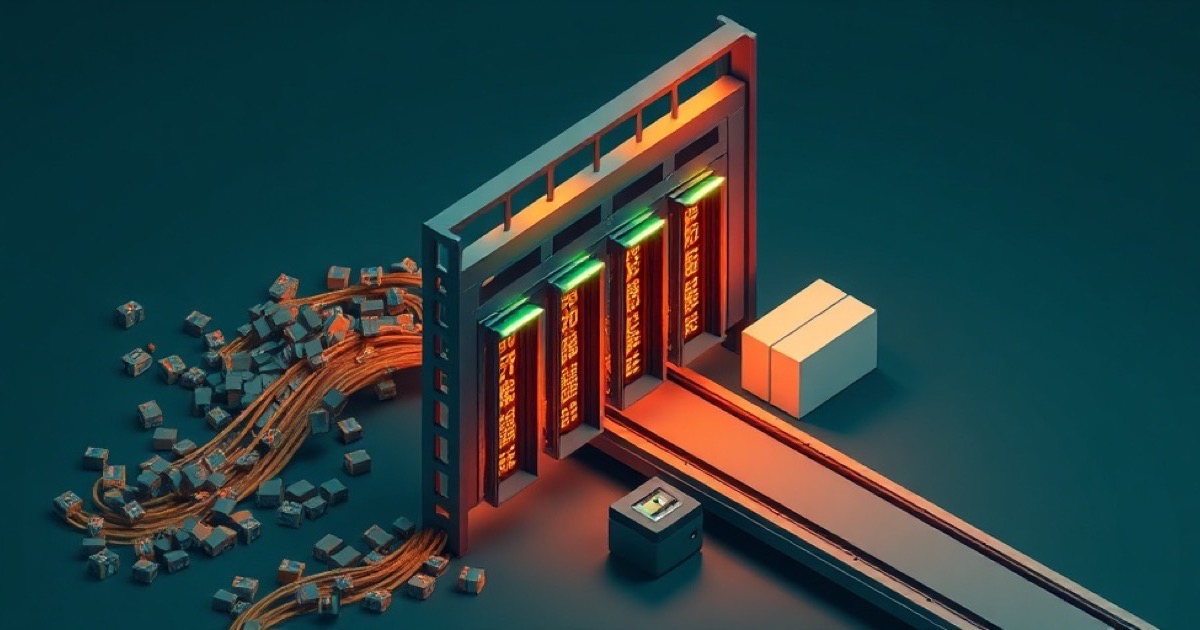
Development teams choose Interactor Build because it puts a harness around AI coding. Every goal runs through the same plan, build, test and review steps, the repository's own checks decide what passes, and the result is one pull request. The team's rules are enforced, and the routine parts can run unattended.
Interactor Build is an AI product-development service where a product owner states a goal in plain language and agents plan, build, test and review it into one pull request.
What is a harness on top of vibe coding?
A harness is the process that surrounds an AI coding session and decides whether its output is acceptable. Vibe coding is describing a change to an AI assistant and accepting the code it writes. It is fast, and it leaves the developer to remember the tests, the conventions and the review.
Interactor Build runs on Claude or Codex and adds the delivery process around them. Each goal owns one branch and one pull request per repository. Each task starts from a fresh checkout, so one session's leftovers do not leak into the next.
What does the Interactor Build harness check?
The harness checks every goal against gates your repository declares and against an independent review. The team declares the gates in pm-agent.yaml: install, tests, type check, lint, security scan, coverage and ratchets.
Three rules make the gates worth trusting:
- No setting turns a gate off.
- A failing gate can only be cleared by a later passing run of that gate. The reviewer's verdict cannot clear it.
- A check that did not run is labeled "not run", so a skipped check never reads as a pass.
A review in a fresh session then grades the work against every acceptance criterion. Rules in CLAUDE.md and AGENTS.md apply to every goal, and a change that touches a protected path holds the merge for a person.
What can a development team automate with Interactor Build?
A team chooses how often a goal stops for a person, and the gates run in every mode.
| Preset | Where a goal waits for a person |
|---|---|
| Review everything | At each stop along the way |
| Merge only (the default) | Before the merge |
| Autopilot | Nowhere. Every stop is off, and the gates still run |
The harness also handles work that usually falls to whoever is on call for the build:
- If a machine crashes or a rate limit hits, work resumes where it left off.
- Merge conflicts are resolved automatically, and deliveries are serialized.
- CI triage separates a goal's own failure from an inherited, flaky or platform failure.
- GitHub issues import as goals.
- The
ibuildCLI runs the same workflow from a terminal, and an MCP connector lets you create, query and accept goals from your editor.
Orchestration, retries and restarts are handled by code, so they do not spend tokens.
Does Interactor Build replace Cursor or Claude Code?
No. Many teams use both: engineers keep their editor, and the backlog goes through Interactor Build. An assistant in the editor suits work an engineer wants to steer line by line. Interactor Build suits the queue of well-defined changes that nobody has time to sit with.
The comparisons are in Interactor Build vs Cursor and Interactor Build vs Claude Code.
Where do the agents run, and how long does setup take?
The agents run on machines, which are containers running Interactor Build's agent on your own computers or on Interactor machines. A delivered goal costs $1 on your computers and $2 on Interactor machines, plus your own AI usage. Setup takes an engineer about an hour the first time.
What results have teams reported?
KamAI's five engineers reported a median of 38 minutes of agent time per goal and about 1 hour 45 minutes from start to merge between September 26 and October 26, 2026. KamAI started with two machines and expanded to five. The details are in How KamAI's five engineers finished 31 plans in 7 weeks.
Interactor builds Interactor Build with it. As of November 12, 2026, the product's own repository had 4,036 merged goal pull requests.
You can start a goal on Interactor Build.